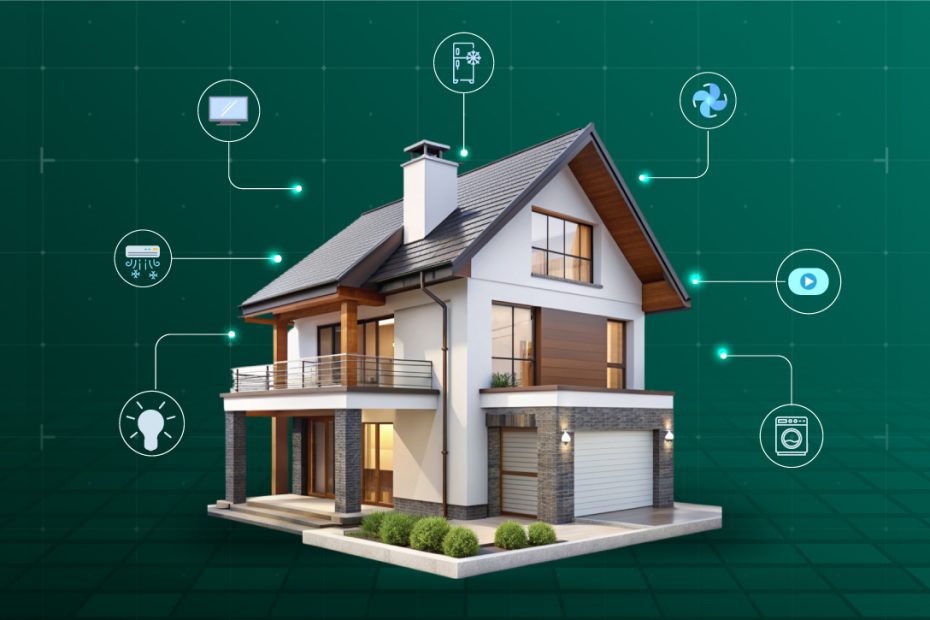
Not long ago, the idea of controlling lights with a voice command or checking a home’s security cameras from another country seemed like something from a science fiction movie. Most homes relied entirely on manual controls, and household devices operated independently without communicating with one another.
Today, technology has transformed the way people interact with their living spaces. Smart speakers answer questions, thermostats adjust temperatures automatically, and connected devices can be controlled from smartphones almost anywhere in the world. What once seemed futuristic has become part of everyday life for millions of households.
As technology continues to advance, smart homes are becoming more intelligent, more connected, and more capable of understanding the needs of the people who live in them. The future promises a world where homes do far more than simply provide shelter. They may become active partners in improving comfort, convenience, efficiency, and safety.
How Smart Homes Are Changing Everyday Living
Imagine arriving home after a long day at work. Before you even walk through the front door, the lights turn on automatically, the indoor temperature adjusts to your preferred setting, and your favorite music begins playing softly in the background. This type of experience is becoming increasingly common in modern smart homes.
Connected devices work together through internet connections, sensors, and software systems. Instead of functioning independently, appliances and home systems communicate with one another to create a more seamless living experience.
Smart lighting is one of the most popular examples. Homeowners can control lights remotely, create schedules, or adjust brightness levels using voice commands. Some systems even learn daily routines and automatically respond to changing conditions throughout the day.
Smart thermostats have also changed how people manage energy use. These devices can learn household habits, monitor weather conditions, and adjust temperatures automatically. As a result, homes can remain comfortable while reducing unnecessary energy consumption.
Security technology has experienced major improvements as well. Modern smart cameras, doorbell systems, and motion sensors allow homeowners to monitor their properties from almost anywhere. Whether someone is at work, traveling abroad, or simply in another room, connected security systems provide real-time information and alerts.
Smart locks offer another layer of convenience. Instead of relying solely on physical keys, homeowners can unlock doors using smartphones, access codes, or biometric identification. Temporary access can even be granted to guests, family members, or service providers when needed.
Household appliances are becoming smarter too. Refrigerators can track food inventory, washing machines can send notifications when cycles are complete, and robotic vacuum cleaners can clean floors with minimal human involvement.
For many people, the greatest benefit of smart home technology is convenience. Routine tasks become easier, and homeowners gain greater control over their environments. Instead of managing numerous separate devices, connected systems bring everything together into a unified experience.
As technology improves, smart homes are gradually moving beyond simple automation toward a deeper understanding of human needs and preferences.
The Growing Role of Artificial Intelligence and Automation
The next stage of smart home development is being driven largely by artificial intelligence. While current devices can follow commands and perform scheduled actions, future systems may become much better at understanding behavior and anticipating needs.
Imagine a home that recognizes when residents are waking up, preparing for work, exercising, relaxing, or going to sleep. Rather than waiting for instructions, the system could automatically adjust lighting, temperature, entertainment settings, and energy usage based on daily habits.
Artificial intelligence allows connected devices to learn from patterns over time. A smart home may notice that a homeowner prefers certain room temperatures during specific seasons or frequently turns on particular lights at certain times of day. The system can then make adjustments automatically without requiring manual input.
Voice assistants are expected to become far more advanced as well. Future digital assistants may engage in more natural conversations, understand complex requests, and manage multiple household functions simultaneously. Instead of issuing separate commands, users may communicate with their homes much as they would speak with another person.
Health monitoring is another area receiving significant attention. Connected devices may help track sleep quality, indoor air conditions, physical activity, and overall wellness. Smart beds, wearable devices, and environmental sensors could work together to provide valuable health insights.
Elderly individuals may particularly benefit from these developments. Smart homes could monitor daily routines, detect unusual activity, and provide alerts when assistance might be needed. This could help older adults maintain independence while giving family members greater peace of mind.
Automation will also continue expanding throughout the home. Imagine a refrigerator that automatically adds groceries to a shopping list, a water system that detects leaks before damage occurs, or a home energy system that optimizes electricity usage based on pricing and demand.
Connected entertainment systems are likely to become more personalized as well. Movies, music, games, and digital content may adapt more closely to individual preferences and household habits.
One interesting possibility is the increasing integration between homes, vehicles, and personal devices. Future systems may coordinate daily activities across multiple environments. A smart vehicle could communicate with a smart home, preparing the house for arrival before the driver even reaches the driveway.
These developments suggest that homes of the future may function less like collections of individual devices and more like intelligent ecosystems designed to support daily life.
Opportunities and Challenges in a Connected Future
The future of smart homes offers many exciting possibilities, but it also raises important questions. As homes become increasingly connected, issues related to privacy, security, and reliability become more significant.
Imagine a home containing dozens of internet-connected devices. Each device collects information and communicates with other systems. While this creates convenience, it also increases the importance of protecting personal data. Homeowners want assurance that their information remains secure and private.
Cybersecurity will likely become one of the most important aspects of future smart home development. Manufacturers and technology companies continue investing in stronger security measures to protect connected devices from unauthorized access and digital threats.
Reliability is another important consideration. Many people appreciate automation, but they also want systems that function consistently. Future smart homes will need backup options and fail-safe mechanisms to ensure essential services remain available when internet connections or devices experience problems.
Compatibility between devices is also improving. In the past, products from different manufacturers often struggled to work together. Industry efforts toward common standards are helping create more unified ecosystems where devices communicate more effectively regardless of brand.
Sustainability may become one of the most valuable benefits of smart home technology. Connected systems can help reduce energy consumption, optimize water use, and minimize waste. As environmental concerns continue to grow globally, intelligent resource management may become a major feature of future homes.
Cost remains a factor as well. While some smart technologies are becoming more affordable, advanced systems can still require significant investment. Over time, broader adoption and technological improvements may make smart home solutions accessible to more households around the world.
The future may also bring greater customization. Instead of purchasing fixed systems, homeowners may create personalized technology environments based on their lifestyles, preferences, and needs. Families, remote workers, students, and retirees may all benefit from different types of smart home features.
Despite rapid technological progress, human needs will remain at the center of smart home development. The most successful technologies will be those that genuinely improve quality of life rather than simply adding complexity.
The future of smart homes and connected devices is about much more than gadgets. It is about creating living spaces that are safer, more efficient, more comfortable, and more responsive to the people who inhabit them. As artificial intelligence, automation, and connectivity continue to evolve, homes may become increasingly capable of supporting everyday life in ways that once seemed impossible.
While challenges related to privacy, security, and accessibility will require ongoing attention, the potential benefits are enormous. The homes of the future are likely to be more intelligent than ever before, helping people save time, conserve resources, and enjoy greater convenience. What began as a collection of connected devices is gradually becoming a new way of living, where technology works quietly in the background to make daily life easier and more enjoyable.