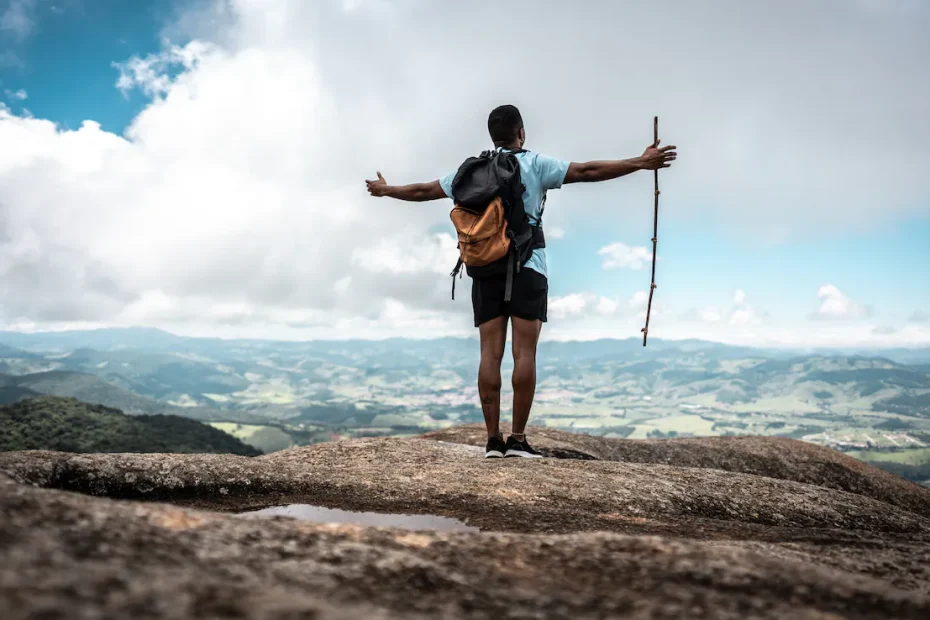
There is something exciting about the idea of traveling alone. No schedules to follow except your own. No need to compromise on destinations, activities, or meal choices. Every decision belongs to you. For many people, solo travel feels like the ultimate adventure. At the same time, it can also feel intimidating, especially for someone taking their first solo trip.
Questions often fill the mind before departure. Will it be safe? What if I get lost? What if I feel lonely? These concerns are completely normal. Almost every experienced solo traveler has asked the same questions before their first journey. What they usually discover is that traveling alone is not only possible but often one of the most rewarding experiences of their lives.
Solo travel teaches independence, builds confidence, and creates opportunities that rarely happen when traveling with a group. The journey becomes as much about personal growth as it is about discovering new places.
Starting With Confidence and Good Preparation
The first solo trip does not need to be complicated. In fact, choosing a destination that feels comfortable and manageable is often the best approach. Some travelers make the mistake of selecting an extremely challenging destination simply because they want a big adventure. While adventure is important, confidence grows more easily when the trip feels achievable.
Imagine arriving in a city where transportation is easy to understand, accommodation is reliable, and travelers are common. Such an environment allows first-time solo travelers to focus on enjoying the experience instead of worrying about every detail.
Research plays an important role before departure. Learning about local customs, transportation systems, weather conditions, and popular neighborhoods can reduce uncertainty. The more familiar a destination feels before arrival, the less overwhelming it becomes.
Booking accommodation in a safe and convenient area is one of the smartest decisions a solo traveler can make. A centrally located hotel, guesthouse, or hostel often makes sightseeing easier and reduces transportation challenges. Many solo travelers also appreciate accommodations with common areas where they can meet other travelers if they choose.
Keeping important documents organized is equally important. Passports, identification, travel insurance information, and reservation details should be stored safely. Having digital copies available on a phone or secure cloud storage can provide extra peace of mind.
Packing light can greatly improve the travel experience. Many first-time solo travelers carry too much luggage, only to discover how difficult it becomes to move around. A lighter bag allows greater flexibility and reduces stress when changing locations.
Communication is another factor worth considering. Travelers should ensure they have access to maps, emergency contacts, and basic communication tools. Modern technology makes solo travel easier than ever, allowing travelers to navigate unfamiliar places with confidence.
Preparation does not remove all uncertainty, but it transforms uncertainty into excitement. Instead of worrying about every possibility, travelers can focus on the opportunities waiting ahead.
Exploring the World While Staying Safe and Comfortable
One of the biggest concerns for solo travelers is safety. While caution is important, fear should not prevent people from enjoying incredible experiences. Most destinations around the world are welcoming to visitors, and simple precautions can go a long way toward creating a secure trip.
Awareness is often the most valuable safety tool. Paying attention to surroundings, avoiding risky situations, and trusting personal instincts can help travelers make good decisions. If something feels uncomfortable, leaving the situation is usually the right choice.
Many experienced solo travelers share their itinerary with a trusted friend or family member before departure. Regular check-ins provide reassurance and help maintain communication throughout the trip.
Exploring during daylight hours can be especially helpful for first-time solo travelers. Walking through neighborhoods during the day allows people to become familiar with an area before venturing out in the evening.
Transportation choices matter as well. Using reputable taxi services, official transportation options, or well-known ride-sharing platforms can reduce unnecessary risks. Researching transportation before arrival often prevents confusion later.
Loneliness is another concern that many first-time solo travelers worry about. Surprisingly, many discover the opposite happens. Traveling alone often creates more opportunities to meet people. Without a familiar group to rely on, solo travelers naturally become more open to conversations and new experiences.
A simple conversation in a café, a discussion during a guided tour, or a chat with fellow travelers can lead to unexpected friendships. Hostels, community events, walking tours, and local activities often create natural opportunities for social interaction.
At the same time, one of the greatest benefits of solo travel is the ability to enjoy solitude. Sitting quietly beside a river, watching a sunset, or wandering through a historic neighborhood can become deeply rewarding experiences. Learning to enjoy one’s own company is a valuable part of the journey.
There will likely be moments when plans do not work perfectly. A train may be delayed, a reservation may need adjustment, or a wrong turn may lead somewhere unexpected. These situations happen to almost every traveler. Often they become the stories people remember most fondly years later.
Making the Most of the Solo Travel Experience
Solo travel offers a unique kind of freedom. Every day begins with endless possibilities. There is no need to negotiate plans or adjust schedules to satisfy others. Travelers can follow their curiosity wherever it leads.
Imagine waking up in a new city and deciding how the day will unfold. Perhaps a museum captures your interest. Maybe a local market seems worth exploring. Or perhaps you simply choose to sit at a small café and watch daily life unfold around you. Every choice belongs entirely to you.
This freedom allows travelers to move at their own pace. Some days may be filled with adventure and exploration. Other days may be slow and relaxing. Both approaches are equally valuable.
Keeping an open mind often leads to the best experiences. Some attractions may exceed expectations while others may disappoint. A hidden street, a local recommendation, or an unexpected event may become the highlight of the entire trip.
Many solo travelers find it helpful to keep a travel journal. Writing down thoughts, experiences, and observations helps preserve memories long after the journey ends. Looking back on these notes often reveals how much personal growth occurred during the trip.
Photography can also enrich the experience. Taking photos encourages travelers to observe details they might otherwise miss. However, it is equally important to put the camera away sometimes and simply enjoy the moment.
One of the most powerful aspects of solo travel is the confidence it builds. Every challenge overcome becomes proof of personal capability. Navigating an unfamiliar city, solving unexpected problems, and making independent decisions create a sense of accomplishment that stays long after returning home.
Many first-time solo travelers discover that the person who returns home is slightly different from the person who left. They become more adaptable, more self-reliant, and more comfortable stepping outside their comfort zone.
Solo travel is not about being alone. It is about discovering the world on your own terms. It is about learning that you can handle uncertainty, embrace new experiences, and create meaningful memories without depending on others. For first-time travelers willing to take that first step, solo travel often becomes the beginning of a lifelong passion for exploration and personal growth.