Many successful businesses that exist today did not begin with large investments, luxurious offices, or huge teams of employees. In fact, countless entrepreneurs started with little more than an idea, determination, and a willingness to learn. While having access to significant funding can certainly help, it is not always necessary for building a successful business.
Around the world, small businesses are launched every day by people with limited financial resources. Some begin from home offices, spare bedrooms, garages, or even kitchen tables. Others start as side projects while the owners continue working regular jobs. What these entrepreneurs often share is the ability to use available resources wisely and focus on gradual growth.
Starting a business with limited capital requires careful planning, patience, and creativity. The journey may not always be easy, but many entrepreneurs discover that beginning small can actually teach valuable lessons about efficiency, problem-solving, and customer service.
Finding the Right Business Idea and Keeping Costs Low
Imagine someone dreaming of starting a business but believing they need a large amount of money before taking the first step. Months or even years may pass while they wait for the perfect financial situation. Meanwhile, opportunities remain unexplored.
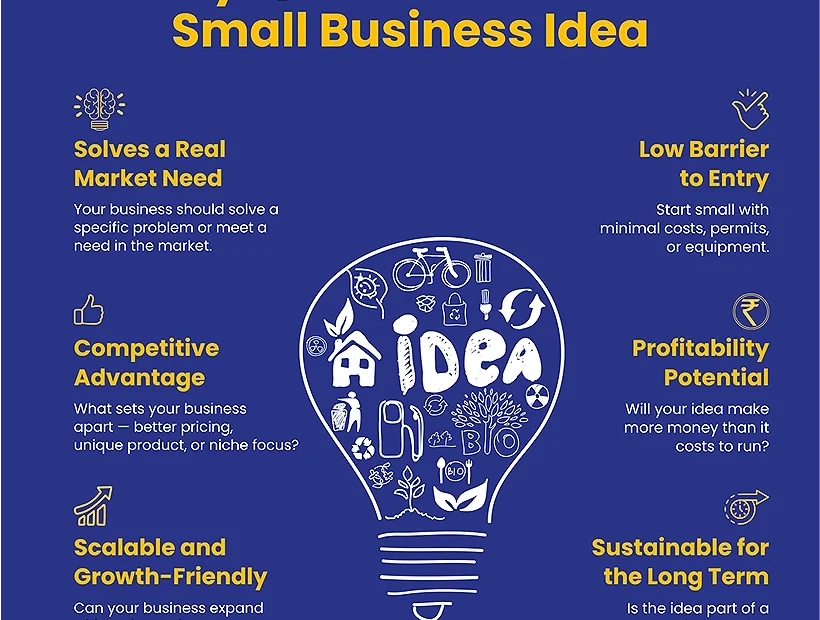
Many successful small businesses begin with ideas that require more skill and effort than money. Service-based businesses are a good example. A person with expertise in writing, graphic design, consulting, tutoring, photography, web development, marketing, or bookkeeping can often start offering services with relatively low startup costs.
The first step is identifying a problem that can be solved or a need that can be fulfilled. Successful businesses often focus on helping people save time, solve challenges, learn new skills, or improve their lives in some way.
Research is important before investing money. Understanding customer needs, market demand, and competitors can prevent costly mistakes later. Entrepreneurs who spend time learning about their target audience often make better decisions when launching their businesses.
Keeping initial expenses low is one of the most important strategies for entrepreneurs with limited capital. Instead of renting expensive office space, many business owners start from home. Modern technology makes it possible to communicate with customers, manage projects, and process payments from almost anywhere.
Free and affordable digital tools have made business ownership more accessible than ever. Entrepreneurs can build websites, manage social media accounts, create marketing materials, and communicate with customers without spending large amounts of money.
Another common mistake is purchasing equipment before it becomes necessary. Many new business owners buy items they think they might need someday. A more practical approach is to start with essential tools and upgrade gradually as revenue increases.
Testing an idea before making large investments can also reduce risk. Some entrepreneurs begin by offering products or services to a small group of customers. Feedback from these early clients helps improve the business before expansion.
Starting small does not mean thinking small. It simply means building carefully and using resources wisely.
Building Customers and Growing Step by Step
Once a business idea has been established, attracting customers becomes the next major challenge. Many entrepreneurs worry that marketing requires large advertising budgets, but there are numerous low-cost ways to reach potential customers.
Imagine opening a business and waiting for customers to appear automatically. Unfortunately, even excellent products and services often go unnoticed without promotion. Business owners must actively share their offerings with the people most likely to benefit from them.
Word-of-mouth marketing remains one of the most powerful tools available. Satisfied customers often recommend businesses to friends, family members, and colleagues. Providing excellent service can create a cycle of referrals that helps a business grow organically.
Social media has become another valuable resource for small businesses. Entrepreneurs can showcase products, share expertise, answer questions, and build relationships with customers through online platforms. Consistent communication often matters more than expensive advertising campaigns.
Content creation can also attract attention. A business owner might publish helpful articles, create videos, share educational tips, or answer common customer questions. By providing value before asking for a sale, businesses can build trust and credibility.
Networking is equally important. Attending local events, joining professional groups, and participating in industry communities can create opportunities for partnerships, referrals, and new customers. Many business relationships begin through simple conversations.
Customer service plays a major role in long-term success. Large companies often compete through scale and resources, but small businesses can compete through personal attention and responsiveness. Customers frequently remember how they were treated long after a transaction is complete.
Managing cash flow carefully is another important responsibility. Limited capital means every financial decision matters. Successful entrepreneurs monitor expenses closely and avoid unnecessary spending. Profits are often reinvested into the business to support growth.
Growth does not need to happen overnight. Many thriving businesses expanded gradually over several years. Each satisfied customer, successful project, and positive review contributes to building a stronger foundation.
Patience becomes one of the entrepreneur’s most valuable assets. Sustainable growth often occurs step by step rather than through sudden success.
Overcoming Challenges and Creating Long-Term Success
Every business faces obstacles, especially during the early stages. Limited capital can make these challenges feel more difficult, but many entrepreneurs discover that constraints encourage innovation and resilience.
Imagine receiving fewer customers than expected during the first few months. This situation can be discouraging, yet it often provides valuable opportunities to improve products, refine marketing efforts, and better understand customer needs.
Flexibility is important for small business owners. Markets change, customer preferences evolve, and unexpected situations arise. Entrepreneurs who remain open to learning and adaptation often navigate challenges more successfully than those who resist change.
Technology has become a powerful equalizer for small businesses. Cloud-based software, online marketplaces, digital payment systems, and remote collaboration tools allow small companies to operate efficiently and compete with larger organizations.
Continuous learning also contributes to long-term success. Business owners who invest time in improving their skills often make better decisions and identify new opportunities. Reading, networking, attending workshops, and following industry trends can provide valuable insights.
Building a strong reputation takes time but delivers lasting benefits. Trust is one of the most valuable assets any business can possess. Customers who have positive experiences often become repeat buyers and advocates for the business.
Entrepreneurs should also avoid comparing their beginnings to the established success of larger companies. Every successful business once faced challenges, uncertainty, and limited resources. Progress is often more important than perfection.
Financial discipline remains crucial even as the business grows. Increased revenue should not automatically lead to increased spending. Wise management helps create stability and prepares the business for future opportunities.
Eventually, a business that began with limited capital may reach a stage where expansion becomes possible. New employees may be hired, additional services introduced, or larger markets explored. These opportunities often arise because a strong foundation was built during the early stages.
Starting a small business with limited capital requires determination, creativity, and careful planning, but it is entirely possible. Many successful entrepreneurs began with modest resources and gradually built thriving companies through consistent effort and smart decision-making.
The most important step is often simply getting started. While resources matter, they are only one part of the equation. Vision, persistence, adaptability, and a commitment to serving customers often play a far greater role in long-term success. For aspiring entrepreneurs, limited capital does not have to be a barrier. With the right mindset and approach, it can become the starting point of an exciting and rewarding business journey.