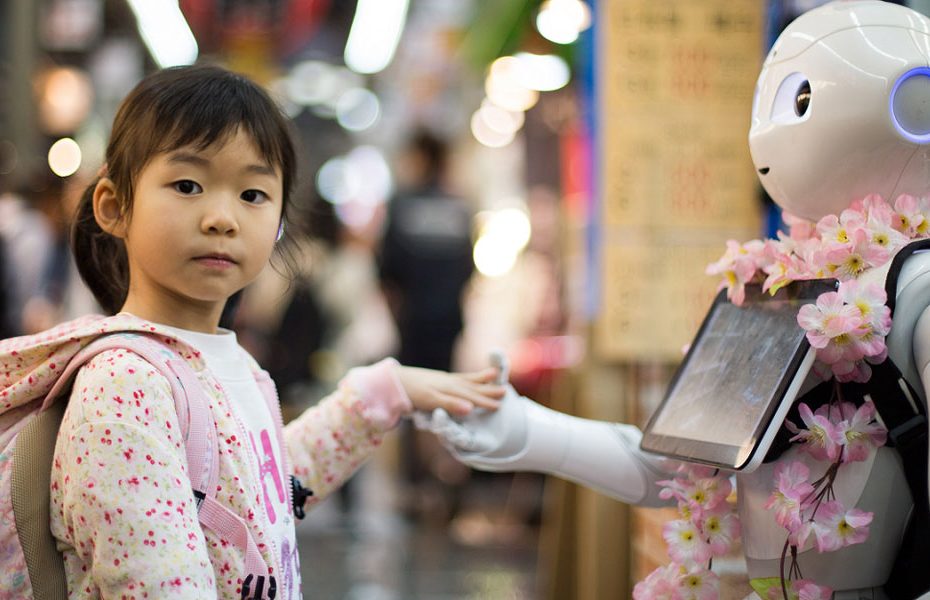
Artificial intelligence was once a concept that seemed to belong only in science fiction stories. People imagined intelligent robots, futuristic cities, and machines capable of thinking like humans. For many years, these ideas felt distant and unrealistic. Today, however, artificial intelligence has become a part of everyday life for millions of people around the world.
Many individuals use AI without even realizing it. It helps people find directions, recommends movies and music, filters unwanted emails, translates languages, and assists with online shopping. Artificial intelligence is no longer limited to research laboratories or technology companies. It has quietly become woven into daily routines at home, at work, and while traveling.
As AI technology continues to develop, its influence on modern life is growing rapidly. Understanding how it affects everyday activities helps people appreciate both the opportunities and challenges that come with this technological transformation.
How AI Has Become Part of Daily Activities
Imagine waking up in the morning and checking your smartphone. Before you even leave your bed, artificial intelligence may already be helping you. The weather forecast, news recommendations, calendar reminders, and suggested routes for your commute often rely on AI systems working behind the scenes.
Voice assistants have become one of the most visible examples of artificial intelligence in everyday life. People can ask questions, set reminders, play music, or control smart home devices using simple voice commands. What once seemed futuristic now feels completely normal in many households.
Streaming platforms also rely heavily on AI technology. When a service recommends movies, television shows, or songs based on previous choices, artificial intelligence is analyzing patterns and preferences. These recommendations help users discover content they might otherwise never find.
Online shopping has been transformed by AI as well. Imagine searching for a new laptop, pair of shoes, or kitchen appliance. E-commerce platforms use artificial intelligence to suggest products based on browsing history, purchasing habits, and customer interests. This personalization creates a more convenient shopping experience.
Navigation systems provide another example. Modern map applications do much more than simply display directions. AI analyzes traffic conditions, road closures, travel patterns, and estimated arrival times to recommend the most efficient routes. Millions of people depend on these systems every day.
Artificial intelligence also plays an important role in communication. Language translation tools allow people from different countries to understand one another more easily. Real-time translation services help travelers, students, and business professionals communicate across language barriers.
Email systems use AI to identify spam messages and prioritize important communications. Social media platforms rely on algorithms to determine what content users see. Search engines use advanced AI models to deliver relevant information within seconds.
Even photography has changed significantly. Smartphone cameras now use artificial intelligence to improve image quality, adjust lighting, recognize scenes, and enhance photographs automatically. Many people enjoy professional-looking photos without needing advanced photography skills.
What makes these examples remarkable is how naturally they fit into daily life. Most users do not think about the technology behind these tools. They simply enjoy the convenience and efficiency they provide.
The Growing Influence of AI at Work and in Education
Artificial intelligence is not only changing personal life. It is also transforming workplaces, schools, and professional environments around the world.
Imagine an office worker who spends hours each week organizing data, preparing reports, or scheduling meetings. Many of these repetitive tasks can now be assisted by AI-powered software. This allows employees to focus more on creative thinking, problem-solving, and strategic decision-making.
Businesses increasingly use artificial intelligence to analyze large amounts of information. AI systems can identify trends, predict customer behavior, and generate valuable insights that help organizations make better decisions. Tasks that once required days of analysis can sometimes be completed in minutes.
Customer service has also evolved significantly. Many companies use AI-powered chat systems to answer common questions and provide support. Customers can receive assistance at any time without waiting for business hours. While human representatives remain important for complex issues, AI helps handle routine inquiries efficiently.
In healthcare, artificial intelligence is supporting medical professionals in remarkable ways. AI systems can analyze medical images, assist with diagnoses, and help researchers identify patterns in health data. While doctors continue to make critical decisions, technology provides additional tools that can improve patient care.
Education is another field experiencing major changes. Students now have access to learning platforms that adapt to individual needs and learning styles. AI-powered educational tools can provide explanations, practice exercises, and personalized feedback.
Imagine a student struggling with a particular topic. Instead of receiving the same explanation repeatedly, AI-based learning systems can present information in different ways until understanding improves. This personalized approach has the potential to make learning more effective and accessible.
Teachers also benefit from AI technologies. Administrative tasks such as grading certain assignments, organizing materials, and tracking student progress can be partially automated, allowing educators to spend more time supporting learners directly.
Creative professions are also feeling the impact of artificial intelligence. Writers, designers, musicians, and content creators increasingly use AI tools to assist with brainstorming, editing, image creation, and research. Rather than replacing creativity, these tools often act as assistants that help speed up certain parts of the creative process.
At the same time, discussions about the future of work continue. Many people wonder which jobs may change as AI becomes more capable. While some tasks may become automated, new opportunities and career paths are also emerging. Throughout history, technological advances have transformed industries, and artificial intelligence appears to be following a similar pattern.
The workplace of the future will likely involve greater collaboration between humans and intelligent systems rather than complete replacement of human workers.
Opportunities, Challenges, and the Future of AI
As artificial intelligence becomes more powerful, it brings both exciting opportunities and important questions. Like any major technology, its impact depends largely on how it is used.
One of the greatest advantages of AI is efficiency. Tasks that once required significant time and effort can often be completed much faster. This creates opportunities for greater productivity and allows people to focus on higher-value activities.
AI can also help solve complex problems. Researchers are using artificial intelligence to study climate patterns, improve agricultural practices, develop medical treatments, and optimize energy use. These applications have the potential to benefit societies around the world.
Accessibility is another important advantage. AI-powered tools can assist people with disabilities by providing speech recognition, text-to-speech capabilities, visual assistance, and communication support. Technology is helping create opportunities for greater inclusion and independence.
However, challenges also exist. Privacy remains a major concern as AI systems often rely on large amounts of data. People increasingly want to know how their information is collected, stored, and used.
Misinformation presents another challenge. AI can generate text, images, audio, and videos that appear highly realistic. While these capabilities have positive uses, they can also be misused to spread false information or create confusion.
Questions about fairness and bias are also important. AI systems learn from data, and if that data contains biases, the results may reflect those biases. Developers, researchers, and organizations continue working to create systems that are more transparent, accurate, and fair.
There are also concerns about overreliance on technology. While AI can provide recommendations and assistance, human judgment remains essential. Critical thinking, creativity, empathy, and ethical decision-making are qualities that continue to play a vital role in society.
Looking ahead, artificial intelligence will likely become even more integrated into daily life. Smart homes may become more intelligent, transportation systems may become more efficient, and personalized digital assistants may become increasingly capable. The pace of innovation suggests that many future applications have not yet been imagined.
What remains clear is that artificial intelligence is no longer a distant concept. It is already influencing how people communicate, learn, work, travel, shop, and solve problems. Its presence can be seen in countless technologies that shape everyday experiences.
Artificial intelligence is changing everyday life in ways both large and small. Some changes are highly visible, while others operate quietly in the background. Together, they are transforming how people interact with technology and with one another. As AI continues to evolve, understanding its possibilities and challenges will help individuals make informed decisions and adapt to a world where intelligent technology plays an increasingly important role.