Every generation experiences technological changes that transform the way people live, work, and communicate. A few decades ago, the internet was still a novelty for many households. Smartphones did not exist, online shopping was uncommon, and video calls often seemed futuristic. Today, these technologies have become a normal part of everyday life.
The next decade is likely to bring another wave of innovation. Scientists, engineers, researchers, and technology companies around the world are developing new solutions that could reshape industries, improve quality of life, and solve complex global challenges. Some of these technologies are already being used on a limited scale, while others are still evolving in laboratories and research centers.
Predicting the future is never easy, but certain emerging technologies are showing enough promise to potentially influence how people live and work over the coming years.
Intelligent Systems and Smarter Digital Experiences
Artificial intelligence is already changing many aspects of daily life, but its influence is expected to grow significantly during the next decade. Current AI systems can generate content, analyze data, recognize patterns, and assist with various tasks. Future versions are likely to become even more capable and integrated into everyday activities.
Imagine starting a workday with an intelligent assistant that helps organize schedules, summarizes important information, and provides personalized recommendations. Instead of simply responding to commands, future systems may better understand context and anticipate user needs.
Healthcare could benefit enormously from these advances. AI systems may help doctors identify diseases earlier, recommend treatments more accurately, and analyze medical information faster than ever before. Patients could receive more personalized care based on their unique health conditions and histories.
Education may also become more personalized. Learning platforms could adapt lessons to individual students, identifying strengths and weaknesses while adjusting teaching methods accordingly. Students in different parts of the world may gain access to high-quality educational resources tailored specifically to their needs.
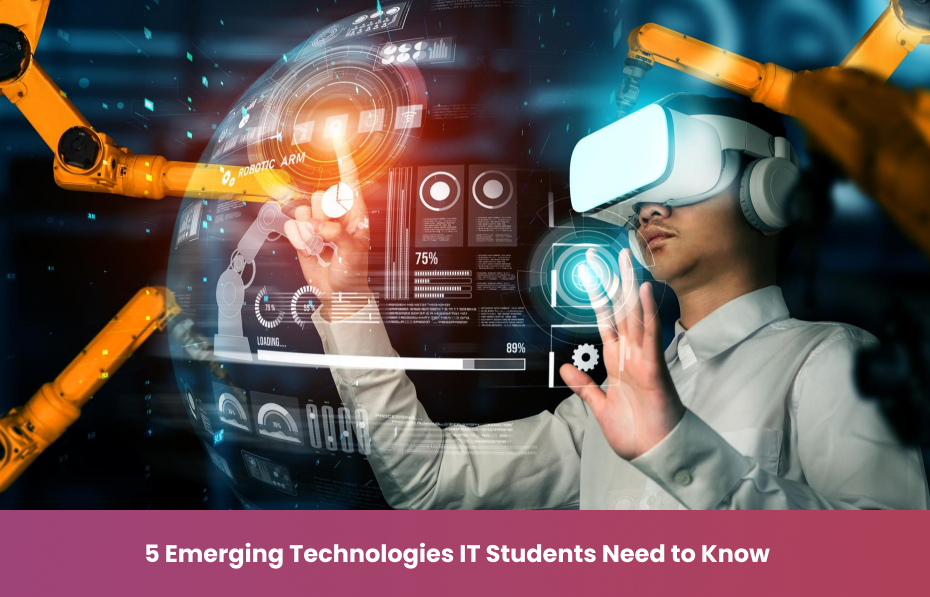
Another technology attracting attention is augmented reality. Imagine wearing lightweight glasses that display useful information directly in your field of view. Directions could appear while walking through a city, product information could be displayed while shopping, and educational content could be layered over real-world objects.
Virtual reality is expected to advance as well. Future systems may create highly immersive environments for training, education, entertainment, and remote collaboration. Instead of simply watching a presentation on a screen, people might participate in realistic virtual spaces from anywhere in the world.
Voice technology is likely to become more natural and sophisticated. Digital assistants may engage in conversations that feel increasingly human-like, helping users manage daily tasks with minimal effort.
Together, these intelligent technologies could make interactions with digital systems more intuitive, efficient, and personalized than ever before.
Transforming Healthcare, Transportation, and Energy
Some of the most important emerging technologies are focused on solving practical challenges that affect billions of people around the world.
Healthcare innovation is advancing rapidly. Researchers are exploring new approaches in biotechnology, genetic science, and personalized medicine. Future treatments may be designed specifically for individual patients based on genetic information and medical history.
Wearable devices are also becoming increasingly sophisticated. Imagine a device capable of continuously monitoring vital signs, detecting health problems early, and sharing important information with healthcare providers. Such technologies could improve prevention and early diagnosis of diseases.
Transportation is another area experiencing major innovation. Electric vehicles continue to grow in popularity as battery technology improves. Future batteries may charge faster, last longer, and provide greater driving range.
Autonomous vehicles are also being developed around the world. While fully self-driving transportation still faces challenges, progress continues. Future vehicles may help reduce accidents, improve traffic flow, and increase mobility for people who cannot drive themselves.
Drone technology is evolving as well. Beyond photography and recreation, drones may assist with deliveries, agriculture, infrastructure inspections, and emergency response operations.
Energy innovation could play a critical role in addressing environmental concerns. Renewable energy technologies such as solar and wind power continue to improve in efficiency and affordability. Scientists are also developing better energy storage systems capable of storing electricity for longer periods.
Imagine cities powered by cleaner energy sources supported by advanced battery systems. Homes and businesses could generate and store energy more efficiently, reducing dependence on traditional power sources.
Smart energy grids may further improve efficiency by balancing electricity supply and demand in real time. These systems could help reduce waste while improving reliability.
Agriculture is another sector benefiting from technological innovation. Advanced sensors, artificial intelligence, robotics, and precision farming techniques may help farmers increase food production while using fewer resources. As the global population continues to grow, these innovations could become increasingly important.
The next decade may bring significant improvements in how societies manage health, transportation, energy, and food production.
New Frontiers That Could Redefine the Future
Some emerging technologies remain in earlier stages of development but hold the potential to create transformative changes over the long term.
Quantum computing is one of the most discussed examples. Traditional computers process information using bits that represent either a zero or a one. Quantum computers operate differently and may eventually solve certain complex problems far more quickly than today’s most powerful machines.
If successful, quantum computing could accelerate scientific research, improve materials development, optimize logistics systems, and contribute to advances in medicine and cybersecurity.
Space technology is another area attracting growing investment. Governments and private companies are expanding efforts related to satellite networks, space exploration, and commercial space activities. Future developments may improve global communication, environmental monitoring, and scientific discovery.
Advanced robotics also continues to evolve. Future robots may assist in healthcare facilities, warehouses, construction sites, and disaster response operations. Rather than replacing humans entirely, many robotic systems are likely to work alongside people, handling repetitive or dangerous tasks.
The development of advanced materials could also influence numerous industries. Scientists are creating stronger, lighter, and more sustainable materials that may improve products ranging from vehicles and buildings to medical devices and electronics.
Another promising area is the Internet of Things. This concept refers to networks of connected devices that communicate and share information. Future homes, cities, transportation systems, and industries may become increasingly interconnected through intelligent networks of sensors and devices.
Imagine cities where traffic systems automatically adapt to changing conditions, waste collection routes optimize themselves, and public services respond more efficiently to community needs. Such connected systems could improve quality of life while reducing resource consumption.
However, technological progress also brings important responsibilities. Privacy, cybersecurity, ethics, and accessibility will remain major considerations. As emerging technologies become more powerful, societies will need to ensure they are developed and used responsibly.
The future will not be shaped by technology alone. Human decisions, policies, education, and collaboration will determine how these innovations impact society. The most successful technologies will likely be those that solve real problems and improve people’s lives.
Emerging technologies have the potential to transform the next decade in remarkable ways. Artificial intelligence, biotechnology, renewable energy, advanced transportation systems, quantum computing, robotics, and connected devices are just some of the innovations gaining momentum today. While it is impossible to predict exactly how the future will unfold, one thing remains clear: technology will continue to play a central role in shaping how people live, work, learn, and interact with the world around them.
The coming decade promises exciting possibilities, and many of the technologies that seem cutting-edge today may become as common tomorrow as smartphones and the internet are today. For individuals, businesses, and societies alike, understanding these emerging trends will help prepare for a future filled with opportunity, innovation, and change.