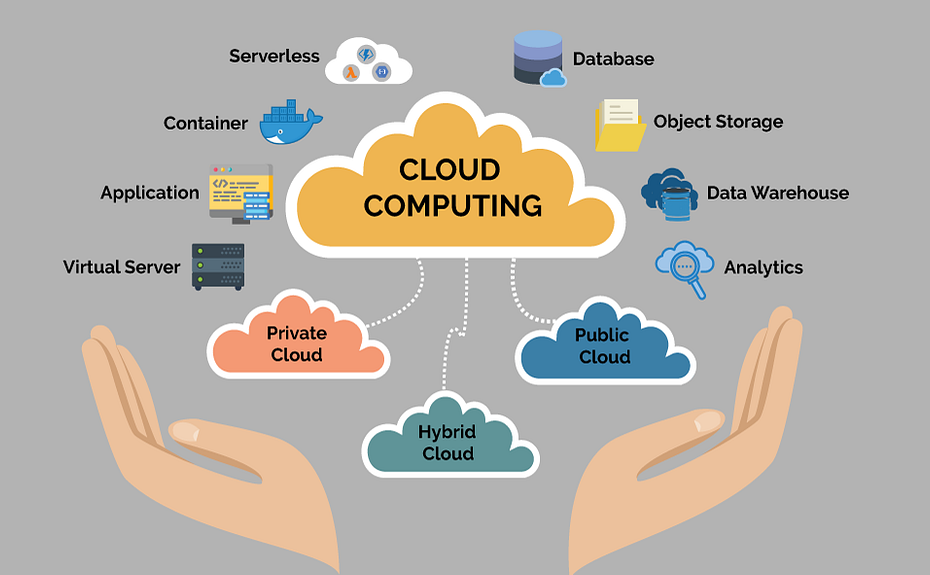
Most people use cloud computing every day without realizing it. A person takes photos on a smartphone, saves documents online, streams movies, sends emails, or stores files on a digital platform. Behind all these activities is a technology known as cloud computing.
The word “cloud” can sound complicated or technical, especially for people who are not involved in the technology industry. In reality, the idea is quite simple. Instead of storing everything on a personal computer or physical device, information and software are stored on powerful servers connected through the internet.
Cloud computing has changed how individuals, businesses, schools, and governments use technology. It has made digital services more accessible, more flexible, and often more affordable. As internet access continues to expand around the world, cloud computing is becoming one of the most important foundations of modern life.
Understanding How the Cloud Works
Imagine a time when every photo, document, video, and software program had to be stored directly on a computer. If the computer failed, much of that information could be lost. Sharing files with others was often slow and inconvenient.
Now imagine having a secure storage space that can be accessed from almost anywhere with an internet connection. Instead of keeping everything on a single device, files are stored on powerful computers located in data centers around the world. These remote systems manage the information and deliver it whenever users need it.
That basic idea is cloud computing.
When someone uploads photos from a smartphone, those photos may be stored on servers located hundreds or even thousands of kilometers away. When the user opens the photo gallery on another device, the files can be accessed almost instantly through the internet.
The same principle applies to email services. Messages are not stored only on one computer. They are managed by large cloud systems that allow users to access their inboxes from phones, tablets, laptops, and desktop computers.
Streaming services also rely heavily on cloud technology. Instead of downloading entire movies or television shows onto a device, users access content that is stored and delivered through cloud infrastructure. This allows people to watch entertainment instantly without requiring large amounts of storage space.
Businesses use cloud computing in similar ways. Employees can access documents, software, and databases from multiple locations. Team members working in different cities or countries can collaborate on the same projects in real time.
One reason cloud computing became so popular is convenience. People no longer need expensive hardware for every task. Many services can be accessed through a web browser or mobile application, making technology easier to use and maintain.
The cloud essentially allows computing resources to be shared and delivered whenever they are needed, much like electricity flows from a power grid when someone turns on a light.
How Cloud Computing Is Transforming Business and Daily Life
Cloud computing has had a major impact on both organizations and individuals. It has changed how people work, communicate, learn, and manage information.
Imagine a small business starting operations a few decades ago. The company would likely need expensive servers, specialized equipment, dedicated storage systems, and technical staff to manage everything. These costs could be significant, especially for smaller organizations.
Today, many businesses simply rent cloud services as needed. They can store files, run software, host websites, and manage customer information without purchasing large amounts of hardware. This allows companies to focus more on growth and less on maintaining technology infrastructure.
Remote work has also become much easier because of cloud computing. Employees can access important documents, communication tools, and business applications from almost anywhere. Teams spread across different countries can collaborate as if they were working in the same office.
Education has benefited as well. Students can access learning materials, submit assignments, attend virtual classes, and collaborate on projects using cloud-based platforms. Teachers can share resources instantly and provide support regardless of location.
For everyday users, cloud computing has simplified many activities. People can store photos without worrying about running out of device space. Important documents can be backed up automatically. Music, videos, and games can often be accessed from multiple devices without repeated downloads.
Healthcare organizations also use cloud technology to manage medical records, improve communication, and support research. Access to information becomes faster and more efficient, helping professionals deliver better services.
Cloud computing has even influenced how software is delivered. In the past, users often purchased software and installed it directly on a computer. Today many applications operate through the cloud. Users simply log in and access services through the internet.
This flexibility allows technology to adapt to changing needs. Whether serving a single individual or millions of users worldwide, cloud systems can often expand or shrink resources as demand changes.
As a result, cloud computing has become one of the key technologies driving digital transformation across nearly every industry.
The Benefits and Challenges of a Cloud-Based Future
As cloud computing continues to grow, its advantages become increasingly clear. One of the biggest benefits is accessibility. Information can often be reached from almost anywhere with an internet connection. This flexibility has changed how people work and communicate.
Another major advantage is reliability. Large cloud providers typically operate multiple data centers and backup systems. If one system experiences a problem, another can often continue operating. This helps reduce interruptions and protect valuable information.
Scalability is another important feature. Organizations can increase or decrease resources based on their needs. A growing business can quickly add storage or computing power without purchasing entirely new infrastructure.
Cost savings also attract many users. Instead of making large investments in equipment, businesses often pay only for the resources they actually use. This makes advanced technology more accessible to organizations of all sizes.
However, cloud computing is not without challenges.
Security remains an important consideration. Because information is stored online, protecting data from unauthorized access becomes essential. Cloud providers invest heavily in cybersecurity, but users must also follow good security practices such as strong passwords and multi-factor authentication.
Privacy is another concern. Individuals and organizations want to know how their information is stored, managed, and protected. Understanding service agreements and privacy policies has become increasingly important.
Dependence on internet connectivity can also create limitations. If internet access becomes unavailable, some cloud services may be difficult or impossible to use until the connection is restored.
Despite these challenges, cloud computing continues to evolve rapidly. Advances in artificial intelligence, data analytics, and high-speed networks are creating new possibilities for cloud-based services. Future applications may become even more powerful, intelligent, and accessible.
For most people, cloud computing is no longer a technology of the future. It is already part of everyday life. Whether sending an email, streaming a movie, storing photos, or collaborating on a project, millions of people rely on cloud services every day without giving them much thought.
What makes cloud computing remarkable is its ability to deliver powerful technology in a simple and convenient way. It allows individuals and organizations to access resources that would once have required significant investments in hardware and expertise. As digital technology continues to advance, cloud computing will remain one of the foundations supporting innovation, communication, and connectivity around the world.