Paying bills, transferring money, shopping online, investing, and managing bank accounts have become easier than ever before. A person can now complete financial transactions from a smartphone while sitting at home, traveling on a train, or waiting at an airport. What once required visiting a bank branch can now be done within minutes through digital platforms.
This convenience has transformed modern life. People can send money across countries, pay for products instantly, and access financial services around the clock. However, the same technology that makes financial transactions easier also creates opportunities for cybercriminals. Fraudsters continuously search for ways to steal passwords, banking details, payment information, and personal data.
Fortunately, most financial cybercrime can be prevented through awareness and good security habits. Understanding how digital threats work and learning how to protect financial information can help people enjoy the benefits of online banking and digital payments with greater confidence.
Building Strong Security Around Financial Accounts
Imagine leaving the front door of a house unlocked while valuable items sit inside. Most people would never do that. Yet many individuals unknowingly take similar risks with their online financial accounts.
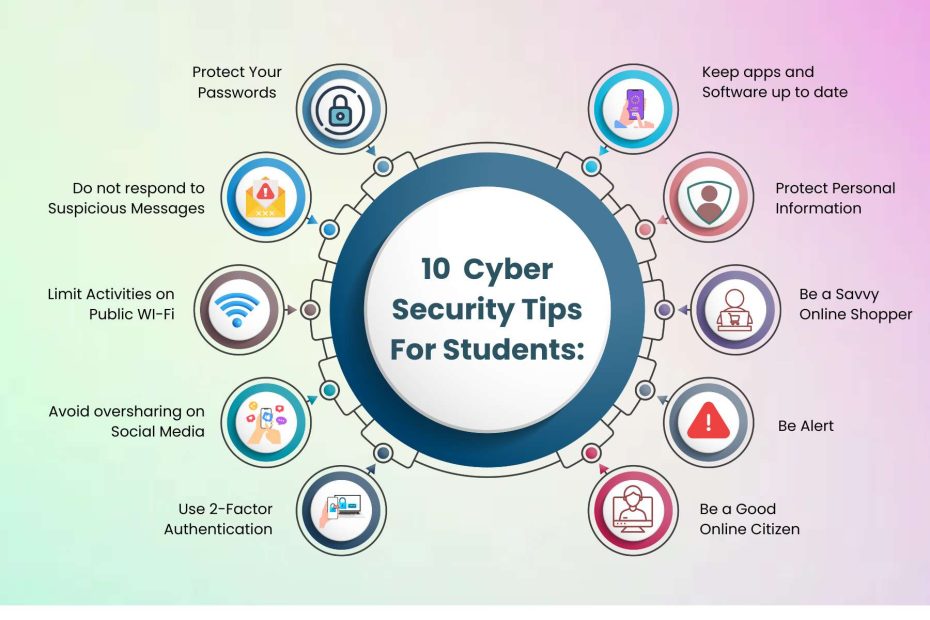
One of the most important cybersecurity habits is creating strong passwords. Financial accounts should never share passwords with social media, shopping websites, or entertainment platforms. If a less important account becomes compromised, attackers may attempt to use the same credentials elsewhere.
Strong passwords should be difficult to guess and unique for each financial service. Many people now use password managers to generate and securely store complex passwords. This reduces the temptation to reuse the same password across multiple accounts.
Another essential layer of protection is multi-factor authentication. When enabled, accessing an account requires more than just a password. Users may need to enter a temporary code sent to a trusted device or generated by an authentication application. Even if criminals somehow obtain a password, the additional security step makes unauthorized access much more difficult.
Keeping devices updated is equally important. Smartphones, computers, and banking applications receive regular updates that fix security weaknesses. Ignoring these updates can leave devices vulnerable to threats that cybercriminals already understand.
Many people also overlook the importance of securing their email accounts. Since email is often used for password recovery and account verification, protecting it becomes critical. A secure email account serves as a strong foundation for protecting financial information.
Regularly reviewing account activity can also help identify problems early. Many banking and payment platforms provide transaction notifications and account alerts. These features allow users to detect suspicious activity quickly and respond before significant damage occurs.
Good cybersecurity often begins with simple habits. Small actions performed consistently create strong protection over time.
Recognizing Financial Scams Before Falling Victim
Cybercriminals rarely rely on advanced technology alone. In many cases, they succeed by manipulating human emotions such as fear, urgency, curiosity, or trust.
Imagine receiving an email that appears to come from a bank. The message claims there is a problem with your account and urges immediate action. A link is provided, and the message looks professional. At first glance, everything seems legitimate.
This is one of the most common forms of financial fraud known as phishing. Criminals create fake messages designed to trick people into revealing passwords, account numbers, or payment information.
The safest approach is to avoid clicking links in unexpected emails or messages. Instead, visit the financial institution’s official website directly or use its official mobile application.
Text message scams have also become increasingly common. Fraudsters may claim that a payment failed, a package requires additional fees, or a financial account needs verification. These messages often contain links leading to fake websites designed to steal information.
Phone scams present another challenge. Criminals sometimes pretend to be bank representatives, government officials, technical support agents, or law enforcement personnel. They may create a sense of urgency and pressure victims into sharing sensitive details.
Legitimate financial institutions rarely request passwords, one-time verification codes, or complete account information through unsolicited phone calls. Any unexpected request for such information should be treated with caution.
Online shopping also requires careful attention. While most e-commerce platforms are legitimate, fake websites sometimes appear during popular shopping seasons. These sites may offer unrealistic discounts to attract victims.
Checking website addresses, reading reviews, and using trusted payment methods can help reduce risk. Secure websites typically use encrypted connections, indicated by security symbols in modern web browsers.
Social media has become another area where financial scams thrive. Fake investment opportunities, fraudulent giveaways, and impersonation schemes often target unsuspecting users. If an offer appears too good to be true, it usually deserves closer examination.
Developing a habit of pausing before acting can prevent many financial losses. A few moments spent verifying information often provide better protection than any security software.
Staying Safe as Digital Payments Continue to Grow
The future of financial transactions will likely become even more digital. Contactless payments, mobile wallets, online banking, cryptocurrency platforms, and digital investment services continue to gain popularity around the world.
Imagine entering a store and paying with a smartphone, smartwatch, or other connected device. These technologies provide speed and convenience, but they also require responsible security practices.
Public Wi-Fi networks deserve special attention when conducting financial activities. Free internet connections in airports, hotels, cafés, and public spaces can be useful, but they may not always be secure. Accessing banking accounts or completing sensitive transactions on unsecured networks can increase risk.
Whenever possible, financial transactions should be performed using trusted and secure internet connections. Many users also choose to use virtual private networks when handling sensitive information online.
Device security remains equally important. Smartphones often contain banking applications, digital wallets, and payment services. Protecting devices with strong passwords, biometric authentication, or secure screen locks helps prevent unauthorized access if a device is lost or stolen.
Data privacy is another growing concern. Many online services collect information about purchasing habits, spending patterns, and personal preferences. Understanding privacy settings and reviewing permissions regularly can help users maintain greater control over their financial information.
Families should also discuss cybersecurity together. Children, teenagers, and older adults are frequently targeted by financial scams because criminals assume they may have less experience recognizing online threats. Open conversations about digital safety can help everyone become more aware of potential risks.
One of the most valuable habits is staying informed. Cybersecurity threats constantly evolve as technology changes. New scams appear regularly, and criminals continuously develop new methods to target victims. Reading security updates from trusted sources and learning about emerging threats helps individuals adapt to changing risks.
Financial cybersecurity is not about becoming a technology expert. It is about developing awareness and making smart decisions. Strong passwords, multi-factor authentication, careful verification of messages, secure internet connections, and regular account monitoring provide powerful protection against many common threats.
The digital age has made financial transactions faster, easier, and more convenient than ever before. Millions of people manage their finances online every day with great success. By combining convenience with responsible security practices, individuals can protect their money, personal information, and peace of mind while enjoying the benefits of modern financial technology. As digital payments continue to grow, cybersecurity will remain one of the most important tools for protecting financial well-being in an increasingly connected world.